




Common Types of Flange Corrosion in Industrial Systems
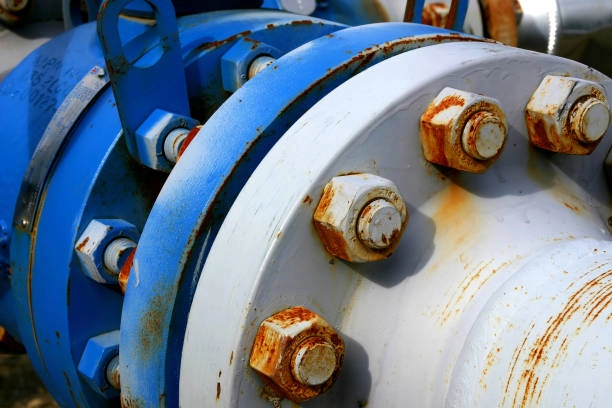
Flanges serve as key parts to join pipes in systems. Yet they face corrosion easily from water, chemicals, and physical strain. We will check the main kinds that often trouble these parts.
Pitting Corrosion and Its Localized Impact on Flange Surfaces
Pitting corrosion ranks as one of the trickiest types. It forms tiny, deep holes that prove tough to spot at first. But these can lead to big problems later. Chloride ions often trigger it. This issue hits stainless steel types like 304 hard. They break the protective layer and start a focused attack. In time, the pits weaken the flange’s hold on seal pressure.
Crevice Corrosion in Gasketed or Bolted Connections
Small trapped spots under gaskets or between flange sides foster crevice corrosion. Oxygen does not flow in there well. This creates uneven air levels and sparks strong local rust. You see it a lot in sealed spots where the press is not right. Or when folks skip cleaning.
Galvanic Corrosion Between Dissimilar Metals
Two different metals, like carbon steel and stainless steel, link up in a wet setting such as saltwater. Then galvanic corrosion can happen. It speeds up wear on the weaker metal. Often that’s the carbon steel flange. You need to add insulation kits between mismatched parts to stop it.
Additional Corrosion Mechanisms Affecting Flanges
Other issues like erosion-corrosion show up when fast-moving fluids scrape off guard layers from metal. In water or waste setups, bacteria-driven corrosion (MIC) from types like sulfate-reducers can harm flange links too.
Choosing Materials That Resist Rust and Corrosion
Picking the right materials forms the base for flange life span. This matters a lot in tough chemical spots or wild weather.
Stainless Steel Grades for Long-Term Durability
Types such as 316L work well against chlorides and acid spots. You find them in food plants, seaside setups, and chemical sites. They beat 304-grade stainless in fighting pits.
Alloy Steel and Duplex Stainless Options for Harsh Environments
Alloy steels give power and rust fight in high-press or hot systems. Duplex stainless steels mix good traits from austenitic and ferritic kinds. They stand strong against stress cracks and tiredness.
Resistance Properties of Nickel Alloys and Titanium Flanges
Nickel alloys fit when chemicals hit hard, like in acid pipes. Titanium shines in sea water jobs. Its built-in guard layer fights rust even after long dips.
Matching Material Selection to Media, Temperature, and Pressure Conditions
Check how well the flange material matches the stuff it carries. Think about press levels and heat changes too. Heat growth differences between linked parts can make small openings. And those invite crevice rust.
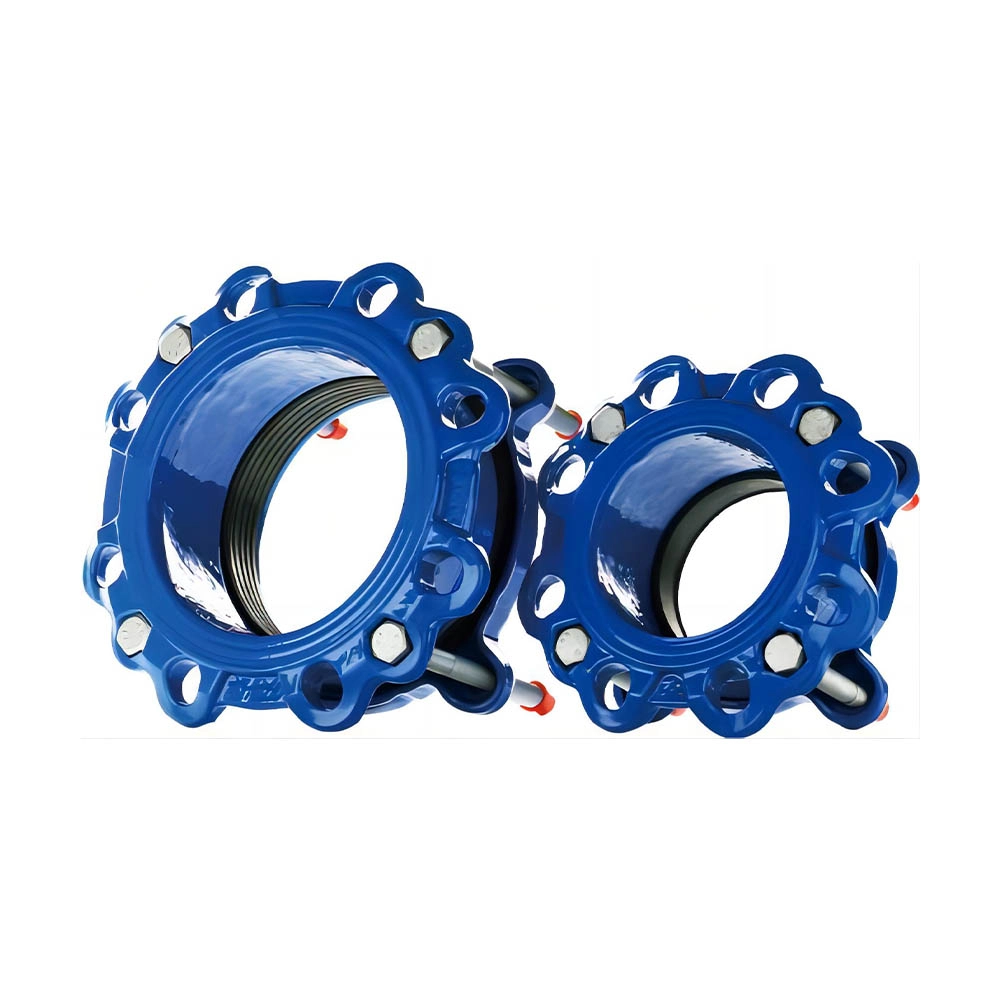
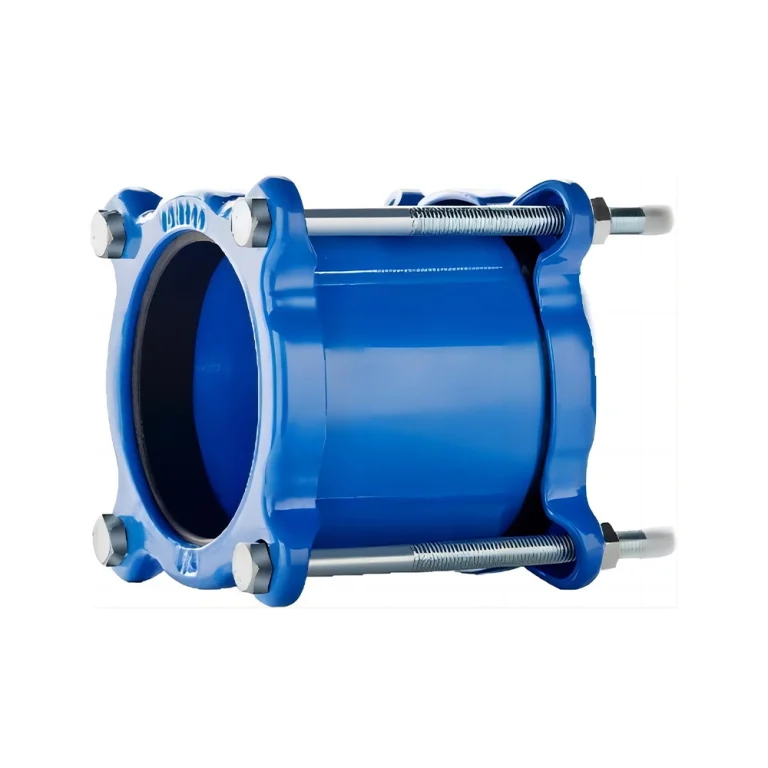
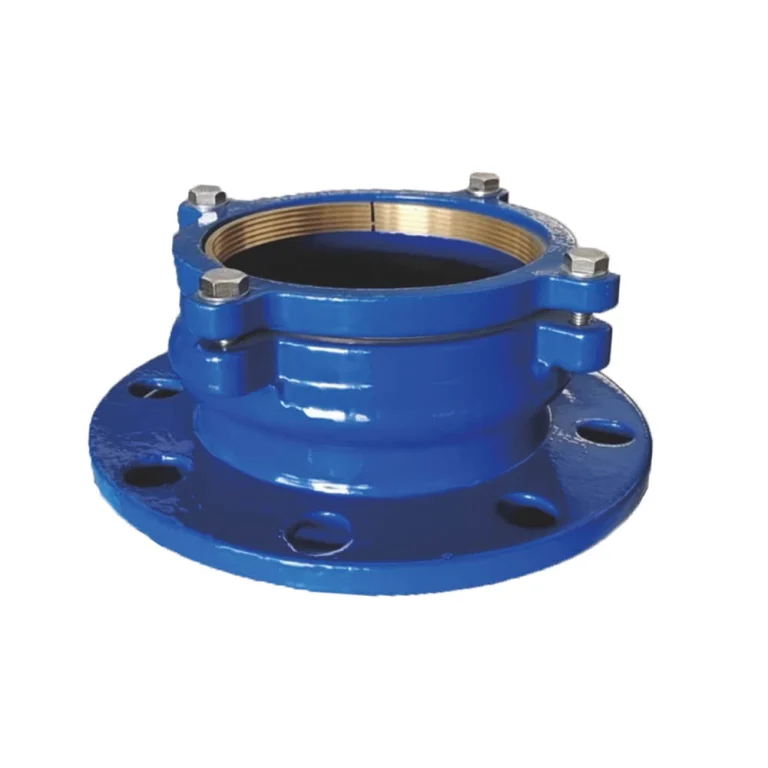
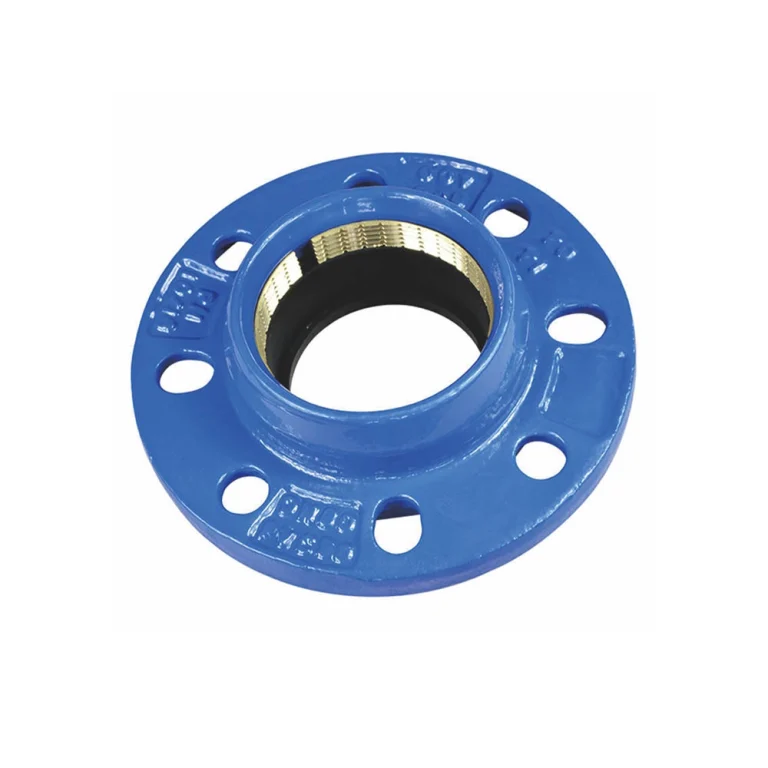
The product is used to connect PE pipe with metal pipe or valve, flowmeter, pressure gauge and other auxiliary equipment. Flanges connecting different materials need careful attention to avoid galvanic reactions.
Inspection and Cleaning Techniques That Prevent Degradation
Regular checks and wipes keep early rust in check. This stops big costs down the line.
Visual Inspection Protocols for Early Corrosion Detection
Basic eye checks spot first clues like rust marks, color shifts, or pits near joins. When you can’t see straight, tools like borescopes help. They let you view inside flange sides without taking it all apart.
Surface Cleaning Methods Before Maintenance or Recoating
Cleaning comes first before paints or bolt fixes. Brushing by hand or sand blasting clears rust buildup well. Then solvents can remove oil bits. That way, new coats stick better.
Importance of Inspecting Bolts, Nuts, and Gaskets During Maintenance Cycles
Bolts rust quicker than the main flange body sometimes. In each fix round, look at bolts for rust or sticking. Check gaskets for squash or chem damage too. Swap out bad ones to stop leaks and more rust.
Gasket Selection and Bolting Methods That Reduce Risk of Corrosion
Choices for gaskets and bolts shape how well flanges hold up. This counts under changing weights or chem hits.
Selecting Gasket Materials Based on Media Compatibility and Load Requirements
EPDM gaskets resist chemicals fine. But you must control twist tight to stop squeeze out. Graphite ones handle heat well. They need flat seal spots though. Pick by what flows through and system press.
Bolt Tightening Sequences That Ensure Even Load Distribution
Use a crisscross way to tight bolts when putting flanges together. Uneven pulls can bend flanges. That makes gaps for crevice rust. Grab torque tools set to maker rules.
Role of Lubricants and Anti-Seize Compounds in Preventing Thread Galling and Rust Formation
Put good thread oils on during setup. They cut rub and help hit right twist levels. Anti-seize stuff blocks water from threads too. Threads start rust there often.
Preventing Galvanic Reactions at the Gasket-Flange Interface
Think about insulation kits for joining unlike metals. Skip gasket fills that conduct. They might make an electric cell over the join.
Protective Coating Systems That Extend Service Life of Flanges
Coats build a wall against water, salt mist, and factory fumes. They help flanges last longer.
Available Coating Types for Industrial Applications
Epoxy coats suit oil and gas pipes. They stand up to chemicals strong. Zinc-rich starts give give-up guard. Zinc rusts in place of the base steel.
Encapsulation Techniques That Shield Flanges from External Elements
Encapsulation wraps or boxes the whole flange set. It helps buried flanges or wet splash areas. There, air attacks can’t be dodged.
External Protection Strategies in Offshore or Chemical Processing Environments
Off sea, add pull-off covers in shut times. Bendy links like those from Conflex soak up shakes. That cuts flange wear and tiredness.
Repair Methods Versus Replacement Decisions for Damaged Flanges
If a flange looks beat, choose fix or swap based on shape and job needs.
Criteria to Evaluate Whether a Flange Should Be Repaired or Replaced
Use sound wave tools to check wall thinness. After clean, if lines don’t match specs or seal sides pit deep, swap it out.
In-Situ Machining Solutions for Surface Restoration Without Dismantling Piping
Handheld flange smoothers fix beat seal sides to flat without pull-off. Cold cut tools beat heat ones. They don’t change metal traits.
Composite Repair Wraps as a Temporary Reinforcement Option
Plastic wraps go on fast in the field. Prep stays light. They stick to bumpy spots and skip hot work okay. Great for short holds till full fix.
Welding Repairs Versus Full Replacement Based on Severity of Damage
If main metal holds after tests, weld might work. But deep pits or off lines mean swap for safety.
Long-Term Maintenance Planning Through Systematic Flange Management
A good flange plan tracks info and uses guess tools for the long haul.
Predictive Analytics Tools That Forecast Corrosion Risks
Sensors watch wet air or heat near flanges. They feed smart models that warn early. This stops big breaks before they cause stop time.
How Expert Support Enhances Custom Maintenance Solutions
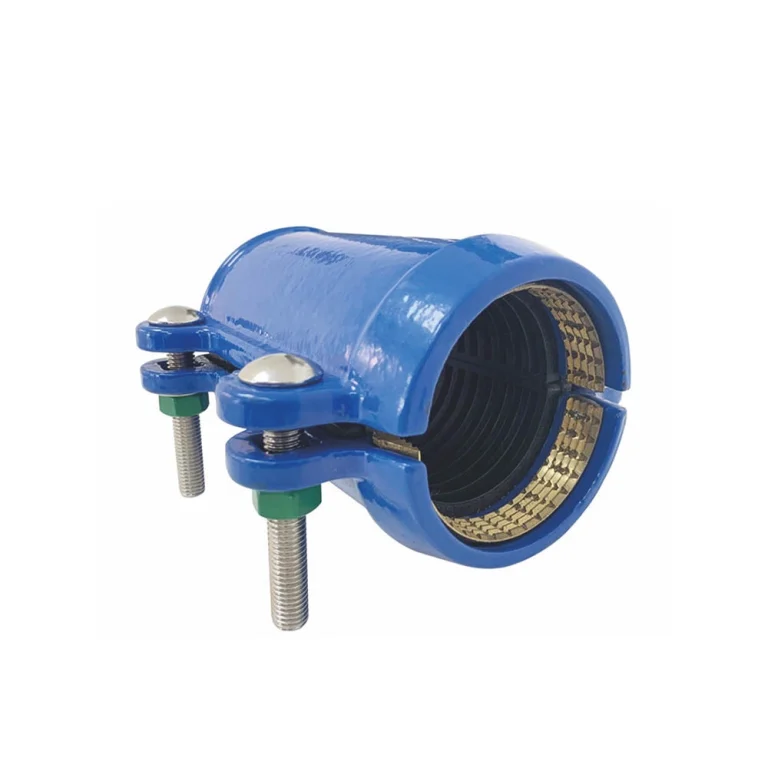
The product is used to connect PE pipe with metal pipe or valve, flowmeter, pressure gauge and other auxiliary equipment. For ductile iron systems requiring adaptive connections or repairs, Conflex provides tailored solutions like adjustable adaptors and repair clamps designed for long-term performance—even under fluctuating pressure conditions.
By combining smart material choices, thorough inspections, proper bolting practices, and expert support from providers like Conflex, operators can dramatically cut down on unplanned shutdowns and extend flange service life.
FAQs
Q: What causes most flange corrosion?
It’s usually caused by localized attack due to moisture intrusion, poor gasket sealing, or incompatible metal pairings.
Q: How often should flanges be inspected?
Visual inspections every 6–12 months are typical, but high-risk environments may require quarterly checks.
Q: Can cathodic protection help?
Yes, cathodic protection systems can prevent galvanic corrosion in buried or submerged flanges.
Q: Are stainless steel grades like 316L worth the cost?
Absolutely—for chloride-rich environments like marine applications, 316L provides long-term savings through reduced maintenance.
Q: What’s the advantage of using composite wraps?
They offer a quick, non-intrusive fix that extends operational time until full replacement can be scheduled.
 English
  Arabic
  Chinese
  French
  German
  Indonesian
  Italian
  Kazakh
  Kyrgyz
  Portuguese
  Russian
  Spanish
  Swahili
  Uzbek
Uzbek