





Flexible flange adapters kutoa handy kurekebisha kwa moja ya matatizo ya kawaida katika mipangilio ya bomba: bomba kwamba don’ T line juu ya haki. Hii inaweza kutokea kutokana na mabadiliko ya joto, makosa ya kuanzisha, au mabadiliko madogo katika ardhi. Mechi halisi kati ya sehemu za bomba flanged ni vigumu kupata. Hivyo, je, adapters hizi kweli kurekebisha? Katika hali nyingi halisi, wao kufanya - kama wewe kuchagua na kuweka katika sahihi. Wao kushughulikia tofauti ndogo bila kuharibu mfumo’ nguvu au jinsi inavyofanya kazi.
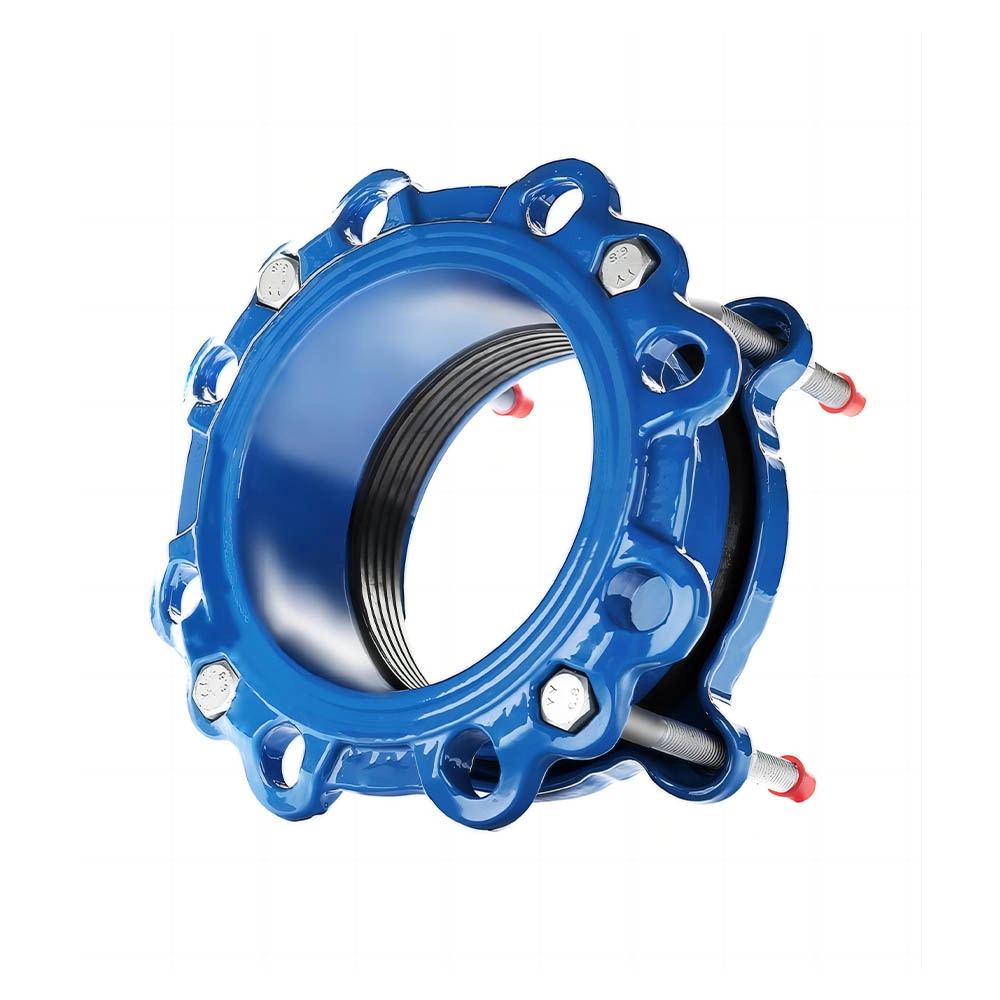
Flexible Flange Adapter
Kusudi na Utendaji Kazi katika Mifumo ya Bomba
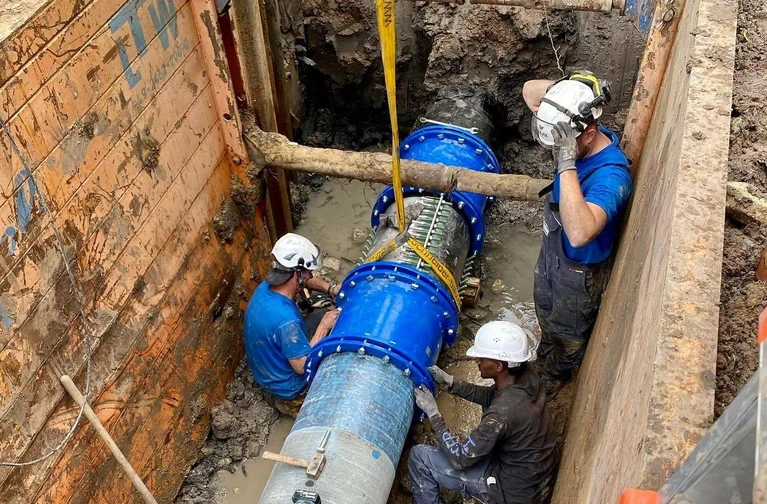
A adapta ya flange inayonyumbulika Imetengenezwa ili kuunganisha ncha mbili za bomba zenye mlalo ambazo huenda zisilingane vizuri. Inatoa nafasi ya kutosha kushughulikia:
- Mabadiliko ya pembe (mara nyingi hadi 3°–5°)
- Harakati ndogo za urefu
- Vikwazo vidogo vya upande
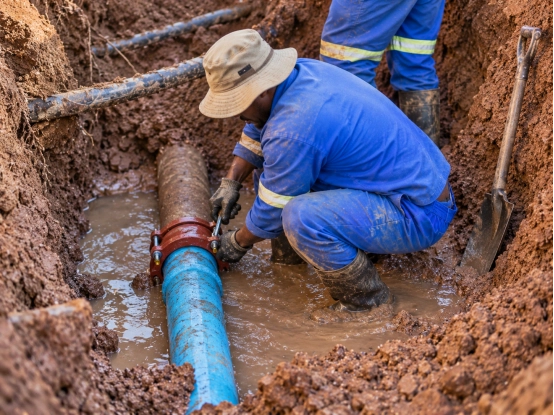
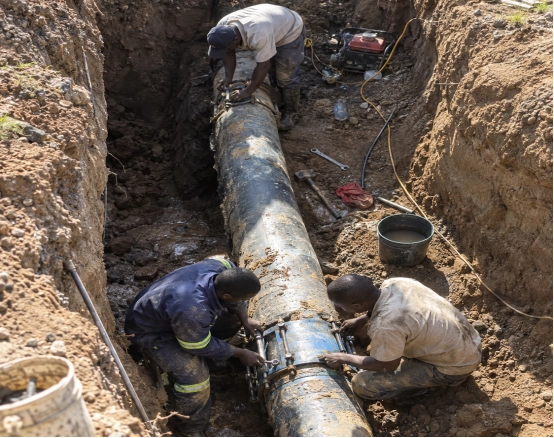
Ulegevu huu huzuia msongo wa mawazo kujikusanya. Hilo linaweza kusababisha uvujaji au madhara baada ya muda. Adapta hufunga vizuri karibu na kiungo. Huweka shinikizo la ndani salama huku ikiruhusu kusogea au kutikisika kidogo kwenye bomba. Hili ni muhimu sana katika maeneo yaliyozikwa au chini ya ardhi. Hapo, mabadiliko ya udongo au mabadiliko ya halijoto yanaweza kusogeza mabomba kadri muda unavyosonga.
Ujenzi na Vifaa Vilivyotumika
Muundo wa kawaida wa adapta ya flange inayoweza kubadilika ni pamoja na:
- Mwili wa chuma unaopitisha hewa kwa ajili ya uimara mzuri na nguvu ya kudumu
- Gaskets kutoka kwa EPDM au mpira wa NBR kwa ajili ya kuziba dhidi ya kemikali na shinikizo
- Boliti na vifunga vya chuma cha pua ili kupambana na kutu
Nyenzo unazochagua huathiri jinsi inavyofanya kazi. Kwa mfano, gasket za EPDM hustahimili vyema kemikali za maji na mwanga. NBR hufanya kazi vizuri zaidi kwa mafuta na mafuta. Kuchagua mchanganyiko sahihi huhakikisha adapta haichukui mizigo mizito tu, bali pia changamoto za hali ya hewa na maji.
Aina ya Misalignment Pipe Kushughulikiwa na Flexible Flange Adapters
Upotoshaji wa Angular katika Usakinishaji wa Bomba
Hata tofauti ndogo za pembe kati ya flanges zinaweza kusababisha hatari za kuvuja na kuvuja gasket zisizo sawa. Kubadilika Adapta ya Flange Husaidia kudumisha mguso sawa kwenye gasket licha ya mizunguko hii midogo. Huhifadhi muhuri na usawa wa jumla.
Uhamishaji wa Axial Kati ya Sehemu za Bomba
Mara nyingi mabomba hukabiliwa na mabadiliko ya urefu kutokana na ukuaji wa joto au kupungua. Adapta ya flange iliyochaguliwa vizuri hufidia mwendo huu—kawaida milimita chache tu—bila mkazo mwingi kwenye kiungo. Inafanya kazi kama kizuizi kati ya sehemu ngumu.
Kupunguza Upande na Utangamano Wake na Adapta
Adapta hizi si suluhisho kamili kwa zamu kubwa. Lakini zinaweza kushughulikia mizunguko midogo ya pembeni—mara nyingi chini ya milimita 10 kulingana na aina. Kwa zile kubwa zaidi, huenda ukahitaji zana zingine kama vile viungo vya upanuzi au kusogeza bomba tena.
Faida Muhimu za Kutumia Adapta za Flange Zinazonyumbulika
Kupunguza Muda wa Ufungaji na Gharama za Wafanyakazi
Kupanga foleni wakati wa ujenzi wa bomba huchukua muda mwingi. Adapta hizi hurahisisha kwa kuruhusu makosa madogo madogo. Hupunguza marekebisho ya gharama kubwa au zana maalum. Timu zinaweza kumaliza kazi haraka na kwa mabadiliko machache.
Uaminifu wa Mfumo Ulioimarishwa na Kinga ya Uvujaji
Adapta zinazonyumbulika huweka muhuri thabiti hata kwa mabadiliko ya shinikizo au kutulia kwa ardhi. Hii hupunguza uwezekano wa viungo kuvunjika kutokana na msongo unaoendelea au kutetemeka baada ya muda.
Utofauti Katika Vifaa na Ukubwa wa Bomba
Faida nyingine ya adapta za flange zinazonyumbulika ni jinsi zinavyofanya kazi na aina tofauti za mabomba—chuma chenye ductile, chuma, PVC, hata GRP. Watengenezaji kama Conflex, ambao huzingatia viungo vya mabomba ya viwandani, hutoa adapta katika ukubwa na mipangilio mbalimbali. Hizi zinafaa kwa mistari ya maji, mafuta, na gesi.
Vikwazo vya Kawaida na Njia Zinazowezekana za Kushindwa
Mkazo wa Kimitambo Zaidi ya Vipimo vya Ubunifu
Adapta hizi si za ajabu. Ikiwa bomba litapita mipaka iliyopendekezwa ya kutolingana, linaweza kusababisha kusukuma nje kwa gasket au nyufa katika mwili wa flange. Kupita shinikizo au joto lililokadiriwa kunaweza kusababisha matatizo sawa.
Utu na Uharibifu wa Vifaa Baada ya Muda
Kuwa na hali ya hewa - unyevu, kemikali, asidi ya udongo - kunaweza kuvaa gaskets au chuma cha chuma isiyolindwa na kutu. Kama wewe don’ t kuchagua vifaa haki kwa ajili ya mahali, uharibifu hutokea haraka.
Mazoezi yasiyofaa ya Ufungaji yanayoongoza kuvuja
Kuzimisha kwa usawa kwa bolt, uso uchafu wa flange, au maeneo makosa ya gasket ni sababu za mara kwa mara za kuvuja mapema. Makosa haya unaweza kuepuka kuumiza kufunga na kukata mfupi sehemu’ maisha yake.
Vigezo vya Kuchagua Adapta ya Flange Sahihi kwa Matatizo ya Kutolingana
Kutathmini Aina na Kiwango cha Ukosefu wa Sasa
Kabla ya kuchagua adapter, kupima mabadiliko yote: pembe, axial, upande. Kisha wafanye hivyo, kama inavyoweza kufanywa na watengenezaji. Don’ t kudhani; Angalia.
Kufanana na shinikizo ratings na vipimo bomba
Hakikisha kuwa Adapter ya‘ s shinikizo kiwango inafaa mfumo wako’ s kazi mbalimbali. Pia angalia kama flange shimo mfano mechi (kama PN16, ANSI 150). Vifaa vya bomba vinapaswa kufaa pia bomba la chuma linahitaji kukamata tofauti kuliko wale wa PVC.
Kuzingatia Hali ya Mazingira na Aina ya Vyombo vya Habari
Vitu vinavyotokea kupitia bomba vinahesabu pia. Kama ni’ maji, EPDM inaweza kuwa ya kutosha. Kwa maji ya mafuta, NBR ni bora. Na ikiwa bomba lako limezikwa au nje, chagua chuma cha kuthibitisha kutu. Ongeza koti za ulinzi ikiwa inahitajika.
Mbinu za Ufungaji ambazo zinahakikisha utendaji wa muda mrefu
Ukaguzi wa kabla ya ufungaji na maandalizi ya uso
Daima kusafisha usafi wa kujiunga vizuri. Hata uchafu mdogo unaweza kuacha gasket sahihi squeeze. Angalia sehemu zote - hasa gaskets - kwa uharibifu kabla ya kuweka pamoja.
Sawa Bolt tightening mfululizo na Torque Maombi
Tumia mfano msalaba wakati tightening bolts. Hii inahakikisha hata shinikizo karibu na flange. Tumia torque katika hatua kuanza kwa 30%, kisha 60%, kisha kamili kulingana na maelekezo ya bidhaa kutoka kwa wazalishaji wa kuaminika kama Conflex.
Hali ambapo Flexible Flange Adapters inaweza kuwa Haifaa
Makosa makubwa zaidi ya mipaka ya uvumilivu
Kama mabadiliko kwenda juu ya adapter’ mipaka ya kubuni, ni’ s si smart kushinikiza. Unaweza haja ya miungano ya upanuzi wa mitambo au vifaa vya desturi vilivyotengenezwa kwa hatua kubwa.
High-Vibration au Dynamic mzigo Mazingira
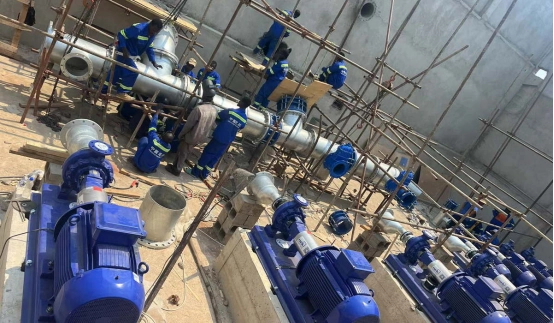
Katika maeneo kama maduka ya pampu au viungo vya mashine ambapo kuteketeza ni kawaida na nguvu, harakati inayoendelea inaweza kuchoka nje ya adapter’ sehemu kwa muda. Matumizi ya viungo kufungwa au couplings na shake-damping badala yake.
Mifumo inayohitaji uadilifu wa muundo mgumu
Baadhi ya mipangilio ya bomba inahitaji ngumu ya jumla kama msaada katika viwanda au majukwaa ya bahari. Hapa, adapters rahisi don’ msaada; welded viungo au grooved vifaa kazi bora.
Maswali ya Mara nyingi Kuhusu Flexible Flange Adapters
Jinsi gani misalignment inaweza kubadilika flange adapter kushughulikia?
Uvumilivu hutofautiana kulingana na bidhaa lakini kwa kawaida hutofautiana kutoka 3 ° 5 ° upotovu wa pembe. Harakati ya axial kwa ujumla ni mdogo kwa milimita chache. Daima rejelea vipimo vya mtengenezaji.
Je, adapters hizi zinaweza kutumika tena baada ya disassembly?
Kutumiwa tena hutegemea hali ya gasket, historia ya uendeshaji, na uwazi. Gaskets inaweza kuhitaji kubadilishwa hata kama sehemu za chuma ni intact.
Je, ni rahisi flange adapters sambamba na kuzikwa bomba?
Ndiyo, kama iliyoundwa kutoka vifaa vya kutu. Ufungaji sahihi / mipako inapendekezwa kwa ulinzi wa muda mrefu chini ya ardhi.
Ni matengenezo gani yanahitajika baada ya ufungaji?
Uchunguzi wa mara kwa mara kwa ajili ya kuvuja, bolt loosening, au kutu ni kushauriwa. Retorching bolts inaweza kuwa muhimu baada ya mzunguko wa awali wa uendeshaji.
Je, ninahitaji lubrication wakati wa ufungaji?
Ndiyo lubrication mwanga juu ya threads bolt na uso wa kukaa gasket (kama kuruhusiwa) inaweza kusaidia kufikia compression sawa na urahisi mkutano. Daima fuata mwongozo wa mtengenezaji hapa.
Kwa kushughulikia matatizo ya upangiliaji vizuri huku ukiweka mihuri imara, adapta za flange zinazonyumbulika zina jukumu muhimu katika usanidi wa bomba la leo—hasa unapoziunganisha na chaguo bora na njia za usanidi makini.
 Swahili
  English
  Arabic
  Chinese
  French
  German
  Indonesian
  Italian
  Kazakh
  Kyrgyz
  Portuguese
  Russian
  Spanish
  Uzbek
Uzbek