




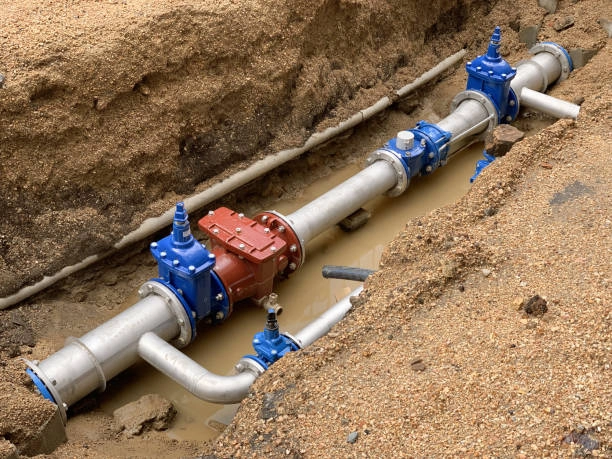
Shahar tarmog'idagi oqish quvuri kamdan-kam hollarda kichik muammo hisoblanadi.
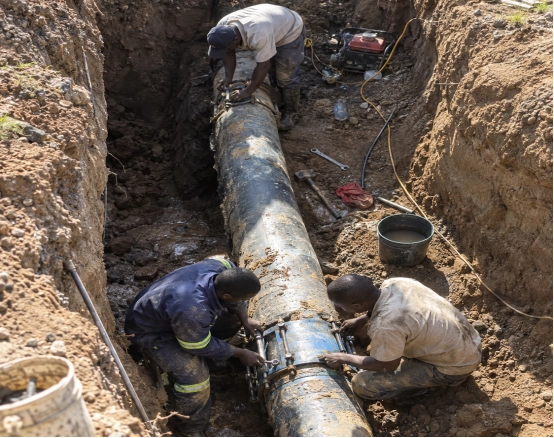
Keniyaning Nayrobi shahrida eski suv quvurlari va qiyin kirish joylari kichik nuqsonni tezda xizmat ko'rsatish muammosiga aylantirishi mumkin. Gavjum yo'l ostidagi chuqur ochiq ustaxona liniyasidagi teshikdan juda farq qiladi. Ishchilar qazishni boshladilar. Suv oqib chiqaveradi. Ular tez orada liniyani xizmatga qaytarishlari kerak.
Payvandlash ba'zan ishlaydi. Shunga qaramay, ko'pincha qo'shimcha vositalar va uzoqroq vaqt talab etiladi. Ko'pgina kichik oqishlar uchun to'g'ri tanlangan quvurni ta'mirlash qisqichi payvandlashsiz yoki quvurning to'liq qismini almashtirmasdan shikastlangan joyni yopishi mumkin.
Nima uchun payvandlash har doim ham oqayotgan quvur uchun eng yaxshi yechim emas
Payvandlash mos po'lat quvurlarda ishonchli. Biroq, haqiqiy tarmoqlar toza, kirish mumkin bo'lgan po'lat quvurlardan ko'proq narsani o'z ichiga oladi.
1. Quvur liniyasi uzoq vaqt davomida oflayn qololmaydi
Shahar suv tizimlari va sanoat korxonalari ko'pincha qisqa muddatli o'chirishga duch kelishadi. Kesish payvandlash ishlarini tekshirish va liniyani qayta ishga tushirish oqishning o'zi uchun kerak bo'lgandan ko'proq vaqt talab qilishi mumkin.
2. Issiq ishlar cheklanishi mumkin
Payvandlash issiqlik, uchqunlar, ruxsatnomalar va qo'shimcha xavfsizlik nazorati degan ma'noni anglatadi. Neft, gaz, kimyo va ba'zi sanoat korxonalarida issiq ishlarni bajarish qiyin yoki taqiqlangan bo'lishi mumkin.
3. Quvur materiali payvandlash uchun yaroqsiz bo'lishi mumkin
Ko'pgina tarmoqlar egiluvchan temir, quyma temir, PVX, polietilen va po'latdan iborat. Oqayotgan quyma temir magistralni uglerodli po'latdan yasalgan texnologik liniya kabi qayta ishlash mumkin emas.
4. Shikastlangan qismni kesib tashlash ta'mirlash ishlarini ko'paytiradi
Biror qismni almashtirish ko'pincha ko'proq qazish, kesish va armaturalarni talab qiladi. Agar uning atrofidagi quvur mustahkam bo'lib qolsa, bitta shikastlangan joy tufayli uni olib tashlash kerak bo'lmasligi mumkin.
Aynan shu yerda mexanik ta'mirlash foydali bo'ladi.
Quvurni payvandlashsiz ta'mirlashning asosiy usullari qanday?
Payvandlashsiz bir nechta usullar mavjud. Ular turli muammolarni hal qiladi.
Pipe Repair Clamps
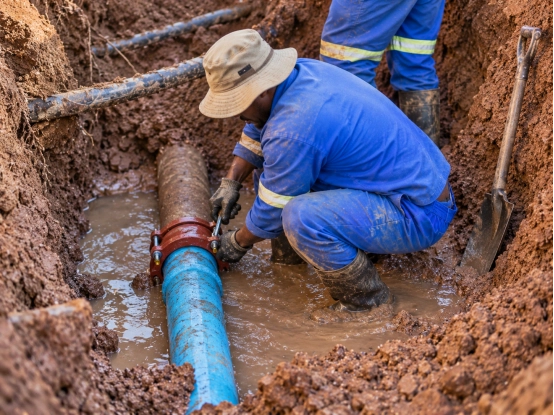
A quvurni ta'mirlash qisqich shikastlangan quvurni o'rab oladi. Boltlarni mahkamlash qistirmani yuzaga bosadi. Bu igna teshiklarini, kichik yoriqlarni, mahalliy korroziya yoki oqishni atrofdagi devor mustahkam bo'lib qoladigan joylarni muhrlaydi.
Mexanik quvur muftalari
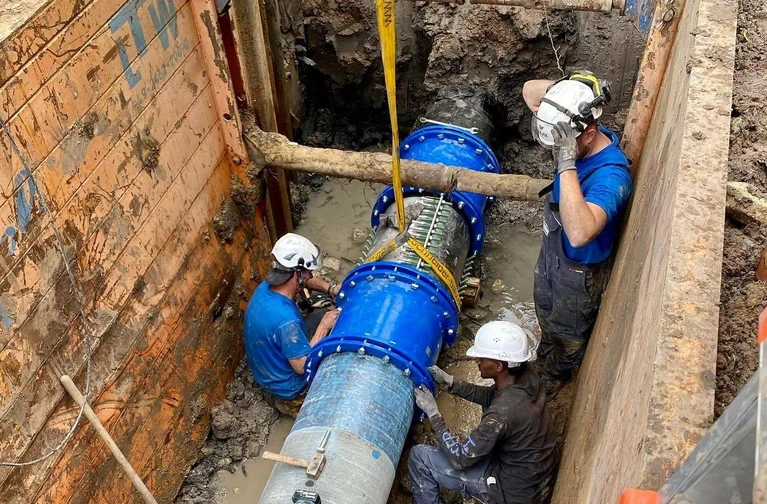
Mexanik muftalar Ayniqsa, shikastlangan qism olib tashlanganidan keyin ikkita quvur uchini birlashtirish kerak bo'lgan holatlarga mos keladi.
Kompozit o'ramlar yoki ta'mirlash lentalari
Kompozit o'ramlar va ta'mirlash lentalari tanlangan sharoitlarda ishlashi mumkin, ammo bosim, harorat, kimyoviy ta'sir va quvur devorining holati muhim ahamiyatga ega.
Shikastlanish atrofida yetarlicha ovoz trubkasi bo'lgan mahalliy oqish uchun ta'mirlash qisqichi ko'pincha oddiyroq variant hisoblanadi.
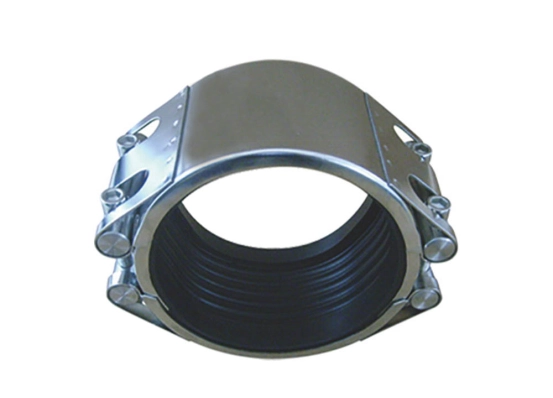
Quvurlarni ta'mirlash qisqichi payvandlashsiz oqishni qanday to'xtatadi?
Odatdagi ta'mirlash qisqichi metall korpusli muhrlovchi qistirgich murvatlari va qulflash moslamasidan foydalanadi. Ishchi brigada murvatlarni mahkamlaydi. Keyin korpus qistirgichni quvurning OD qismiga bosadi. Qistirgich shaklini biroz o'zgartiradi. U sirtdagi nosimmetrikliklarni to'ldiradi va muhrni hosil qiladi.
Quvur metalli erimaydi. Payvandlangan bo'g'in shakllari yo'q.
Usul oddiy bo'lib qoladi. Muvaffaqiyat to'g'ri qisqich o'lchamiga, to'g'ri qistirgich materialiga va mos ish sharoitlariga bog'liq.
Bosqichma-bosqich: Payvandlashsiz oqayotgan quvurni qanday ta'mirlash kerak
Ko'pgina muvaffaqiyatsiz ta'mirlash ishlari noto'g'ri tekshirish yoki noto'g'ri mahsulot tanlash bilan boshlanadi.
1-qadam – Oqish turi va darajasini aniqlang
Quvurning nima ishdan chiqqanini ko'rish uchun yetarli miqdorda teshik oching. Igna teshiklari, yoriqlar, korroziya, bo'g'imlarning oqishi, deformatsiya va devorning yo'qolishi bor-yo'qligini tekshiring.
Strukturaviy yaxlitligini yo'qotgan quvurni yashirish uchun qisqich ishlatilmasligi kerak.
2-qadam – Quvurning tashqi diametrini o'lchash
Haqiqiy tashqi diametrni yoki OD ni o'lchang.
Faqat nominal diametrga qarab qisqichni tanlamang. Turli xil quvur materiallari, hatto bir xil nominal o'lchamlarda ham, turli xil ODlarga ega bo'lishi mumkin.
3-qadam – Foydalanish shartlarini tasdiqlang
Quvur materialini, ish bosimini, haroratni, tashiladigan muhitni, haqiqiy tashqi bosimni va shikastlangan joyning o'lchamlarini tekshiring.
Jismoniy jihatdan mos keladigan qisqich xizmat uchun hali ham noto'g'ri bo'lishi mumkin.
4-qadam - To'g'ri ta'mirlash qisqichini tanlang
Muhrlash qismi shikastlangan joydan tashqariga, ovoz trubkasiga chiqishi kerak.
Qistirmalarning mosligi muhim ahamiyatga ega. EPDM ko'plab suv qo'llanmalarida keng tarqalgan; NBR moy bilan bog'liq ayrim xizmatlarga mos kelishi mumkin. Suyuqlik va harorat hal qilishi kerak.
5-qadam – Quvur yuzasini tayyorlang
Bo'shashgan zang, loy, shlak, shag'al va qoldiqlarni olib tashlang. Sirt yangi ko'rinishga ega bo'lishi shart emas, lekin qistirma doimiy aloqada bo'lishi kerak.
6-qadam – Qisqichni joylashtiring va torting
Qistirgichni oqayotgan joyning o'rtasiga qo'ying va murvatlarni tekis torting. Bir tomonini to'liq tortsangiz, ikkinchi tomoni bo'shashgan holda, qistirgichni siljitib, boshqa oqish yo'lini yaratishingiz mumkin.
7-qadam - Ta'mirlashni tekshiring
Iloji bo'lsa, liniyani nazorat ostidagi sharoitlarda qayta ishga tushiring. Oddiy ish bosimida qisqichni yana bir bor tekshiring.
Turli xil quvur sharoitlari uchun to'g'ri ta'mirlash qisqichini qanday tanlash mumkin
Dala sharoitlari mahsulot kataloglarida ko'rsatilganidan ko'ra ko'proq farq qiladi. Amaliy tanlov OD, bosim, muhit, quvur materiali va shikastlanish hajmiga asoslangan.
| Quvur liniyasi holati | Nimani tekshirish kerak |
| Suv quvuri | Bosim, quvur OD, EPDM mosligi |
| Neft quvuri | O'rtacha moslik, qistirma materiali, bosim |
| Katta diametrli quvur | Qisqich diapazoni, qisqich kengligi, murvat konfiguratsiyasi |
| Korroziyalangan quvur | Qolgan quvur holati va shikastlangan joy |
| Egiluvchan/quyma temir quvur | Haqiqiy tashqi diametr va sirt holati |
| Favqulodda ta'mirlash | O'rnatishning qulayligi va kerakli o'chirish vaqti |
Har bir oqish uchun universal ta'mirlash qisqichi yo'q. Faqat DN300 yorlig'i yetarli ma'lumot emas.
Qachon ta'mirlash qisqichidan foydalanmasligingiz kerak?
Ta'mirlash qisqichi ishlamay qolgan quvur liniyasi uchun davo emas.
Quvur devori kuchli aşınmaya ega bo'lganda, shikastlangan qism egilgan ko'rinadigan bo'lsa, yoriq muhrlash joyidagi bosim qisqich nominal qiymatidan oshib ketganda yoki qistirma muhitga mos kelmasa, bunday qilmang.
Eski suv quvurlarida ta'mirlangan bitta oqish ba'zan yaqin atrofda yana paydo bo'ladi. Atrofdagi devor allaqachon yomon korroziyaga uchragan. Bunday holda, zaiflashgan qismni almashtirish odatda eng yaxshi muhandislik qaroridir.
Amaliy Yo'q Conflex'dan payvandlash quvurlarini ta'mirlash yechimi
Conflex mexanik quvurlarni ulash va ta'mirlash mahsulotlarini yetkazib beradi, jumladan zanglamaydigan po'latdan yasalgan ta'mirlash qisqichlari, egiluvchan temir ta'mirlash qisqichlari, quvur muftalari, flanes adapterlari va moslashuvchan ulanish mahsulotlari.
Oqayotgan quvur liniyasi uchun tanlov model raqamidan emas, balki dala ma'lumotlaridan boshlanishi kerak. Quvur materiali, haqiqiy OD, ish bosimi, muhit, ish harorati va taxminiy shikastlanish o'lchamlarini ko'rsating. Ochiq quvurning fotosuratlari ham yordam beradi.
Xulosa: Ta'mirlashni murakkablashtirmasdan oqishni bartaraf eting
Nayrobi kabi eskirgan tarmoqlar amaliy muammoni aniq ko'rsatib turibdi. Oqishlar har doim ham qulay joylarda sodir bo'lavermaydi va o'chirish vaqti kamdan-kam hollarda cheksizdir.
Ba'zi nosozliklarni almashtirish kerak. Ba'zilarini payvandlash kerak. Boshqalarini esa almashtirish kerak emas. Atrofdagi quvur mustahkam bo'lib qolsa va shikastlanish joyi aniqlansa, to'g'ri o'lchamdagi quvurni ta'mirlash qisqichi butun qismni kesib tashlamasdan mexanik ravishda oqishini to'xtatishi mumkin.
Oqayotgan quvur liniyasi uchun ta'mirlash qisqichini tanlashda yordam kerakmi?
Yuborish Qo'shin mos mexanik ta'mirlash yechimini aniqlash uchun quvur liniyasi texnik xususiyatlari.
FAQ
Q: Oqayotgan quvurni payvandlashsiz butunlay ta'mirlash mumkinmi?
Ha, mos sharoitlarda. Quvur strukturaviy jihatdan mustahkam bo'lib qolsa va qisqich qistirmasi va bosim darajasi qo'llanilishga mos kelsa, ta'mirlash qisqichi uzoq muddatli ta'mirlashni ta'minlashi mumkin.
Q: Quvurni ta'mirlash qisqichi egiluvchan temir yoki quyma temir quvurda ishlatilishi mumkinmi?
Ha. Qisqichni tanlashdan oldin haqiqiy OD va sirt holati tekshirilishi kerak.
Q: Quvurlarni ta'mirlash qisqichini tanlash uchun qanday ma'lumotlar kerak?
Quvur materiali, tashqi diametri, ish bosimi, harorat, tashiladigan muhit va shikastlanish o'lchamlari asosiy ma'lumotlar hisoblanadi.
Q: Ta'mirlash qisqichi qanchalik keng bo'lishi kerak?
Muhrlash qismi shikastlangan joydan tashqariga, ikki tomondan ovoz trubkasiga chiqishi kerak.
 Uzbek
Uzbek  English
  Arabic
  Chinese
  French
  German
  Indonesian
  Italian
  Kazakh
  Kyrgyz
  Portuguese
  Russian
  Spanish
  Swahili