




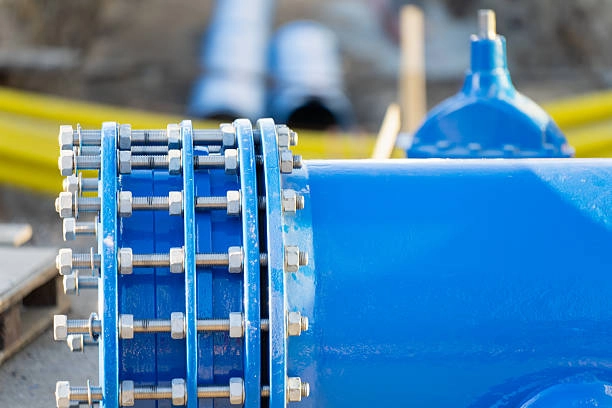
Industry statistics show over 62% of municipal pipeline re-repair cost comes from improper temporary clamping; wrong repair clamp leads to repeated pipeline shutdown & extra labor expense for water supply projects.
We often see the same issue repeated on different job sites. A maintenance team needs to stop leakage quickly, so the first question becomes: “What clamp can be installed fastest?” That is understandable during an emergency. But before selecting a pipe repair clamp, a better question should be asked: “What caused the leak, and what kind of repair can hold safely under this actual working condition?”
Why Pipe Leak Repair Costs Rise So Quickly
A pipe leak is rarely just a product cost issue. The price of a repair clamp, gasket, or bolt set may be easy to calculate, but the full repair cost is much wider.
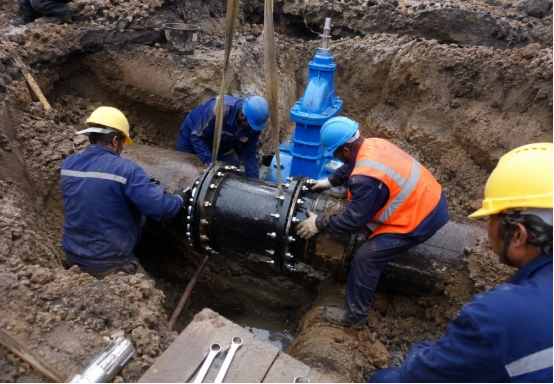
When a pipeline leaks, the project may involve water loss, road excavation, traffic control, emergency labor, shutdown time, delayed schedules, and complaints from users or nearby facilities. If the first repair fails, all of these costs may happen again.
A suitable repair plan should reduce the chance of repeated leakage. It should also match the pipe material, outside diameter, pressure level, leak shape, and installation environment.
Mistake 1: Repairing the Leak Before Finding the Real Cause
A very frequent error involves looking just at the obvious leak spot. Water might drip from a tiny opening. However, this issue often comes from deeper problems. These causes include rust, changing water pressure, or shifting lines. Bad past setups and outside impacts create these holes too.
Crews must check the exact problem before choosing a solution. They need to identify the specific damage. This could be a pinhole leak, longitudinal crack, or circumferential crack. Other issues include a joint leak, a corroded area, or a damaged tapping point.
Mistake 2: Choosing a Clamp Without Confirming Pipe Outside Diameter
Pipe outside diameter is one of the most important details in pipe leak repair. However, it is also one of the easiest details to overlook. Many buyers only provide DN size or nominal pipe size.
The problem is that different pipe materials may have different outside diameters even when the nominal size looks similar. Steel pipe, ductile iron pipe, PVC pipe, and HDPE pipe may follow different standards. If the clamp does not match the actual outside diameter, the gasket may not compress evenly, and the seal may fail.
Mistake 3: Ignoring Pipe Material and Surface Condition
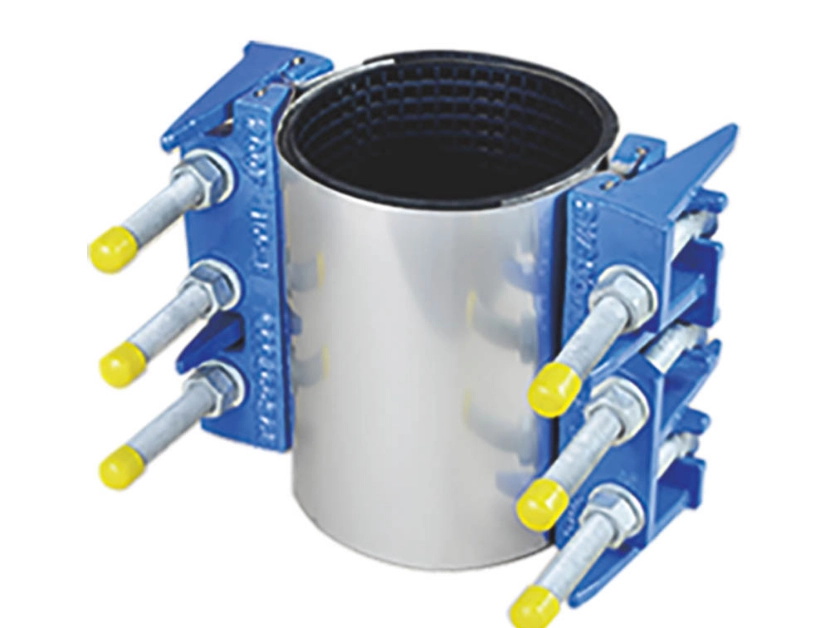
A pipe repair clamp seals by pressing the gasket against the pipe surface. This means the pipe surface is part of the sealing system. If the pipe surface is uneven, heavily corroded, covered with rust scale, or damaged around the leak point, the clamp may not seal well even if the clamp size is correct.
Different pipe materials also behave differently during repair. Ductile iron pipe is usually stable, but old coating and surface corrosion should be checked. PVC pipe requires controlled tightening force because excessive pressure may damage the pipe. HDPE pipe is more flexible, so surface deformation and pipe movement need attention. Conflex provides connection solutions suitable for a variety of pipe materials to ensure that pipes of different materials can be effectively connected.
Mistake 4: Selecting the Wrong Gasket Material
The gasket is not a small detail. It directly affects sealing performance and long-term reliability. A repair clamp used for potable water, wastewater, gas, oil, or chemical pipelines may need different gasket considerations. For drinking water projects, material compatibility and safety requirements are especially important. For wastewater or industrial pipelines, chemical resistance may become more important.
Choosing a gasket only based on price can lead to swelling, hardening, aging, or sealing failure after installation. Conflex supplies WRAS-certified EPDM/SBR/NBR gaskets separately for potable water, sewage and industrial chemical pipelines to avoid rubber swelling & aging leakage, fully comply with BS6920 drinking water standard.
Mistake 5: Looking Only at Normal Working Pressure
In reality, a pipeline may face pressure changes during pump start-stop cycles, valve closing, pressure testing, seasonal demand changes, or water hammer conditions.
A repair clamp should not be selected just to barely meet the normal pressure. For pipelines near pump stations, valves, or high-flow sections, pressure fluctuation should be considered more carefully.
A more reliable repair decision should include working pressure, test pressure, and possible pressure surge conditions.
Mistake 6: Poor Installation and Uneven Bolt Tightening
Common installation problems include placing the clamp off-center, folding or shifting the gasket, tightening bolts unevenly, failing to clean the pipe surface, or skipping pressure testing after installation.
Uneven bolt tightening can cause uneven gasket compression. One side may be too tight, while another side may not seal enough. This is why installation guidance from the manufacturer is valuable, especially for larger pipe diameters or emergency field repair.
How to Build a More Reliable Pipe Leak Repair Plan
A reliable pipe leak repair plan starts with diagnosis, not with product price. Before selecting a repair clamp, the team should confirm the leak type, pipe outside diameter, pipe material, working pressure, pipeline medium, temperature, and available installation space.
Then the repair product should be matched to the real site condition. A small pinhole may need a standard clamp. A wider corrosion area may require a wider repair clamp. A special pipe size may need a customized repair solution. If the pipe surface is unstable or severely damaged, further pipeline assessment may be necessary.
Conclusion
Pipe leak repair is not only about stopping water from escaping. It is about making the right technical decision before the repair cost becomes larger. A more comprehensive repair solution begins with proper inspection and product selection. If you are selecting repair clamps for your project, contact us for practical repair solutions.
FAQ
Q1: How do I choose the right pipe repair clamp for a leaking pipeline?
A: Check the pipe outside diameter, pipe material, working pressure, leak size, and surface condition before selection. Site photos can also help the manufacturer recommend the right clamp.
Q2: Can a pipe repair clamp be used as a permanent repair solution?
A: Yes, if the leak is localized and the pipe wall is still stable. If the pipe has severe corrosion or repeated leaks, further pipeline inspection is needed.
Q3: Why is pipe outside diameter important when ordering a repair clamp?
A: Nominal pipe size is not always enough. Different pipe materials may have different outside diameters, which directly affects gasket sealing.
Q4: What information should be sent to Conflex before requesting a repair clamp?
A: Send the pipe outside diameter, material, pressure, medium, leak size, site photos, quantity, and delivery requirement.
Q5: What causes a repair clamp to fail after installation?
A: Common causes include wrong clamp size, poor surface cleaning, uneven bolt tightening, unsuitable gasket material, or pressure surges.


 English
  Arabic
  Chinese
  French
  German
  Indonesian
  Italian
  Kazakh
  Kyrgyz
  Portuguese
  Russian
  Spanish
  Swahili
  Uzbek
Uzbek